Exploring the Brain at Altitude

The Colorado Institute of Mountain Neuroscience pioneers research into how high-altitude environments affect brain function, cognition, and neurological health, driving discoveries that benefit both mountain communities and lowland populations.

About the Institute

World-Leading High-Altitude Neuroscience Research

Founded in 2018, the Colorado Institute of Mountain Neuroscience (CIMN) has established itself as the premier research center dedicated to understanding how extreme altitude environments impact the human brain. Based in the heart of the Rocky Mountains at 2,400 meters, our unique location provides unparalleled access to both high-altitude populations and environments.

Our interdisciplinary team of neuroscientists, physiologists, psychologists, and clinicians work together to investigate the complex interactions between hypoxia, environmental stressors, and neurological function. Our research spans from molecular mechanisms to cognitive performance and clinical applications.

In 2026, we are expanding our facilities with a new Neuroimaging Center at 4,200 meters, making it the highest functional MRI facility in the world. This groundbreaking addition will enable real-time study of brain adaptation to extreme conditions.

Explore Our Facilities
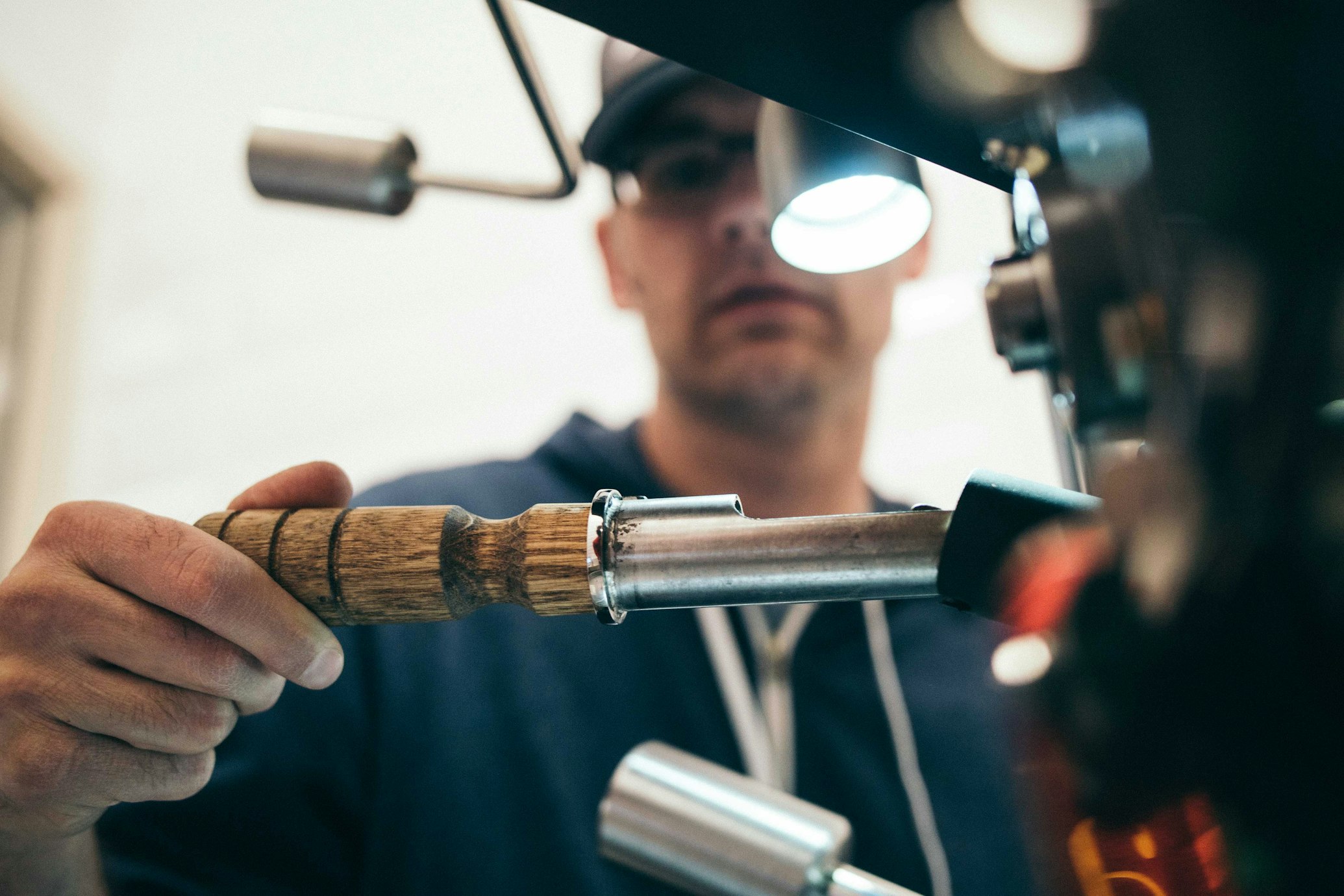
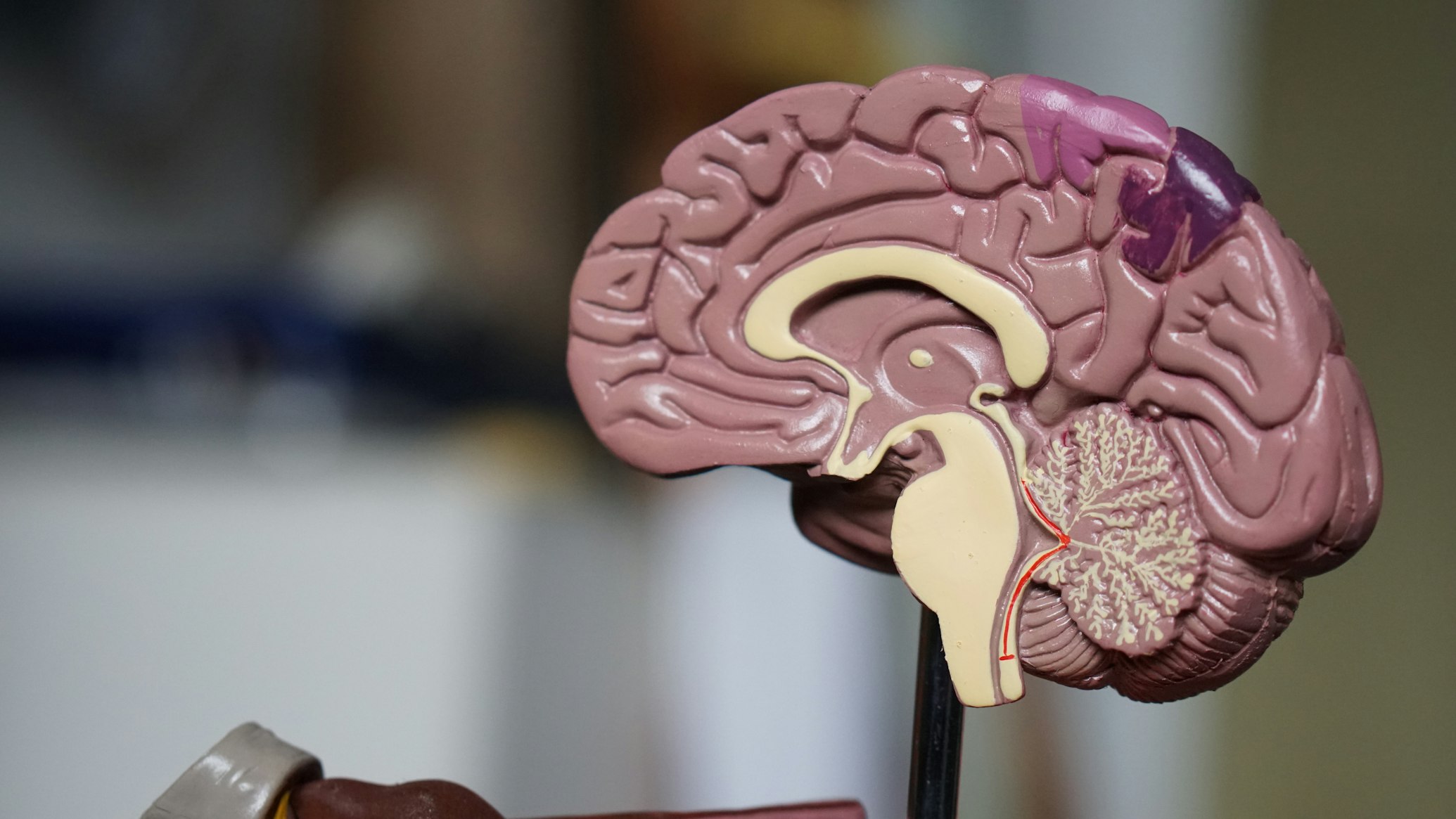
Colorado Mountain Neuroscience Research Facility

Research Areas

Our research is organized into four interconnected domains, each addressing critical questions in high-altitude neuroscience.

Cognitive Performance Research

Cognitive Performance at Altitude

Investigating how hypoxia and environmental stressors affect decision-making, memory, attention, and executive function in mountaineers, pilots, and high-altitude workers.

  • Decision-making under hypoxic stress
  • Memory formation and consolidation
  • Neuroergonomics in extreme environments
Neuroprotection Research

Neuroprotection & Adaptation

Studying brain resilience mechanisms and developing interventions to protect against altitude-related neurological conditions including acute mountain sickness and high-altitude cerebral edema.

  • Cerebrovascular adaptation to hypoxia
  • Pharmacological and non-pharmacological interventions
  • Genetic factors in altitude tolerance
Clinical Neuroscience Research

Clinical High-Altitude Neurology

Translating research findings into clinical practice to diagnose, treat, and prevent neurological disorders in high-altitude populations and visitors.

  • Altitude-related headache and migraine mechanisms
  • Sleep disorders at altitude
  • Long-term neurological effects of chronic hypoxia
Technological Innovation Research

Technological Innovation

Developing portable neuroimaging devices, monitoring systems, and analytical tools specifically designed for use in remote and extreme environments.

  • Portable fNIRS and EEG systems
  • Machine learning for neurological risk prediction
  • Wearable neuro-monitoring technology

Our Leadership Team

Our interdisciplinary team brings together world-renowned experts in neuroscience, altitude physiology, and clinical research.

Dr. Elena Rodriguez

Dr. Elena Rodriguez

Director & Chief Neuroscientist

Former Harvard neuroscientist specializing in cerebrovascular adaptation to hypoxia. Author of "The Altitude Brain" (2024).

Dr. Marcus Chen

Dr. Marcus Chen

Head of Cognitive Research

Expert in neurocognitive assessment under environmental stress. Developed the High-Altitude Cognitive Battery (HACB).

Dr. Sarah Johnson

Dr. Sarah Johnson

Clinical Research Director

Neurologist specializing in altitude-related disorders. Leads our clinical trials on neuroprotective interventions.

Dr. Robert Takahashi

Dr. Robert Takahashi

Technology & Innovation Lead

Biomedical engineer developing portable neuroimaging technology for field research at extreme altitudes.

Recent Publications (2025-2026)

Our research findings are published in leading scientific journals and contribute to the global understanding of high-altitude neuroscience.

Cerebrovascular Reactivity Changes During Prolonged Exposure to 4,200m Altitude: A Longitudinal fMRI Study
Rodriguez, E., Chen, M., Johnson, S., & Takahashi, R.
NeuroImage, 265, 2026

This groundbreaking study utilized our new high-altitude fMRI facility to track brain vascular adaptation over 21 days at 4,200m, revealing previously unknown compensatory mechanisms.

The High-Altitude Cognitive Battery (HACB): Validation and Normative Data for Mountaineering Populations
Chen, M., Rodriguez, E., & Alpine Assessment Collaborative
Journal of Clinical and Experimental Neuropsychology, 48(3), 2026

Introduction of the first validated cognitive assessment tool specifically designed for use in high-altitude environments, now adopted by expedition teams worldwide.

Neuroprotective Effects of Intermittent Hypoxia Preconditioning in a Mouse Model of Cerebral Ischemia
Johnson, S., Williams, A., & Patel, K.
Stroke, 57(2), 2026

Experimental evidence that controlled altitude exposure can build neurological resilience, with implications for stroke prevention and recovery.

Portable fNIRS System for Real-Time Monitoring of Prefrontal Cortex Oxygenation During High-Altitude Ascent
Takahashi, R., Martinez, L., & Engineering Team
IEEE Transactions on Biomedical Engineering, 73(4), 2025

Description of a novel wearable neuroimaging device developed at CIMN that enables continuous brain monitoring during mountain expeditions.

Upcoming Events & Conferences

Join us for cutting-edge symposiums, conferences, and public lectures on mountain neuroscience.

March 15-18, 2026

International Symposium on High-Altitude Neurology

Our flagship event bringing together researchers, clinicians, and mountaineering professionals from around the world. Keynote by Dr. Elena Rodriguez on "The Future of Extreme Environment Neuroscience."

Register Now
May 5-7, 2026

Neuroimaging at Altitude Workshop

Hand-on training for researchers on conducting fMRI, EEG, and fNIRS studies in hypoxic environments. Includes practical sessions at our new 4,200m research station.

Learn More
July 22, 2026

Public Lecture: Brain Health in the Mountains

Free community event discussing practical strategies for maintaining cognitive function and neurological health while living at or visiting high altitudes.

Save Your Seat
October 10-12, 2026

Alpine Sports Neuroscience Conference

Focus on cognitive performance and neurological safety in extreme sports. Featuring presentations from elite alpinists, ski mountaineers, and aerospace professionals.

View Program

Our Research Facilities

State-of-the-art laboratories and field research stations across Colorado's altitude gradient.

Main Campus Laboratory

Main Campus Laboratory (2,400m)

Our primary research facility features a hypoxic chamber suite, 3T MRI, advanced EEG and fNIRS systems, and dedicated cognitive testing laboratories.

  • 3T Siemens Prisma fMRI
  • Hypoxic chambers (simulating up to 8,000m)
  • High-density EEG (256-channel)
High-Altitude Research Station

Summit Research Station (4,200m)

Opening in late 2026, this will be the world's highest neuroimaging facility, featuring a portable 1.5T MRI and comprehensive physiological monitoring for longitudinal altitude studies.

  • Portable 1.5T MRI system
  • On-site hypoxia and sleep labs
  • Residential capacity for 12 research participants
Mobile Research Unit

Mobile Neuroscience Laboratory

A fully-equipped vehicle laboratory allowing real-time neurocognitive assessment during actual mountain expeditions and field research.

  • Portable fNIRS and EEG systems
  • Satellite data transmission
  • Self-contained power and climate control

Contact Us

Get In Touch

We welcome collaboration inquiries, research partnerships, media requests, and questions from the public.

Location

4500 Research Way
Mountain Science Park, CO 80310

Phone

+1 (303) 555-2026
Research inquiries: ext. 101